
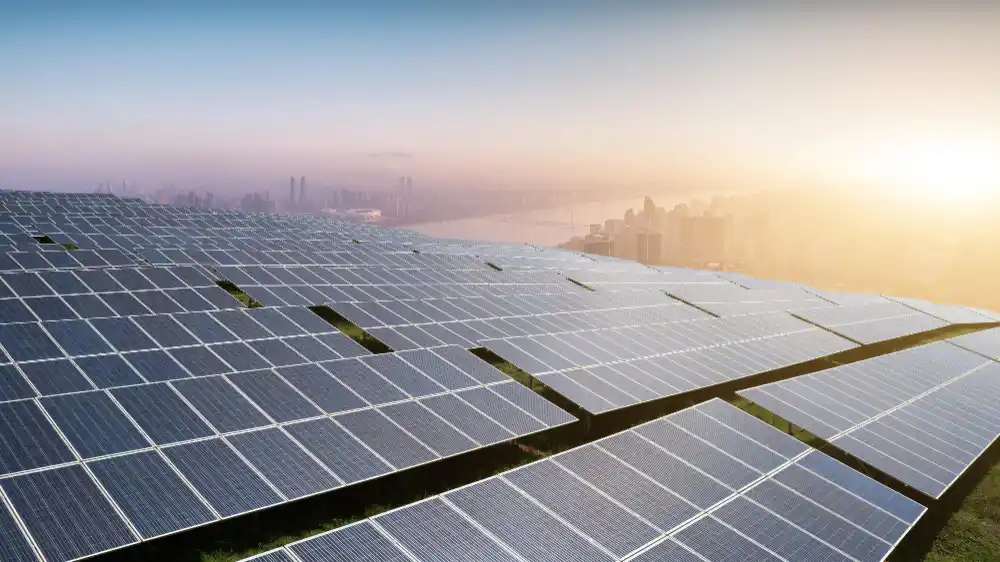
Solar power is now the fastest-growing energy solution in India. With rising electricity tariffs, improved panel efficiency, and massive government support, installing rooftop solar in 2025 offers the highest ROI compared to all other investments, including mutual funds and FDs.
This blog explains everything you need to know — cost, subsidy, savings, system size, best panels, net metering, and the best EPC company to install your system.
Why Rooftop Solar Is Booming in India (2025 Update)
The demand for solar has increased due to:
Rising electricity tariffs (5–8% every year)
Affordable solar prices
Government subsidy up to ₹78,000
25-year power generation
Better ROI than most investments
Today, a 3–5 kW system can reduce your electricity bill by 80–90%.
Rooftop Solar Cost in India (2025)
Average Price Range:
| System Size | Approx Cost | Cost After Subsidy |
|---|---|---|
| 1 kW | ₹55,000 – ₹70,000 | ₹35,000 – ₹50,000 |
| 2 kW | ₹1.10L – ₹1.40L | ₹70,000 – ₹1L |
| 3 kW | ₹1.65L – ₹2L | ₹1L – ₹1.40L |
| 5 kW | ₹2.75L – ₹3.50L | Subsidy applies only till 3 kW |
Prices vary by panel type, inverter brand, and roof structure.
How Much Can You Save With Rooftop Solar?
Daily generation:
1 kW = 4–5 units per day
Monthly savings:
5 kW system = 20–25 units/day = ₹4,500–₹6,000 savings/month
25-year savings:
A typical home can save ₹15–20 lakh over the lifetime of the system.
Government Solar Subsidy (PM Surya Ghar Muft Bijli Yojana)
Current Subsidy Structure:
1 kW → ₹18,000
2 kW → ₹36,000
3 kW → ₹60,000
4–10 kW → up to ₹78,000
Note:
Subsidy applies only on DCR (Made in India) panels.
Net Metering – The Secret Behind 90% Bill Reduction
Net metering allows you to:
Export extra solar units to the grid
Receive credit in your electricity bill
Reduce your net bill to ₹0–₹300 per month
Every rooftop solar home in India must have a net meter to enjoy full benefits.
Best Solar Panels in India 2025
These are the most efficient and reliable panels available right now:
1. Mono PERC Panels
Most common, efficient, durable.
2. Bifacial Panels
Generate power from both sides; higher output.
3. N-Type TOPCon Panels
Latest technology; highest efficiency.
4. DCR Panels
Required for subsidy.
SolarSea installs Tier-1 brands like:
Waaree, Adani, Vikram, Longi, Jinko, Canadian Solar, RenewSys.
Rooftop Solar for Homes vs Businesses
Homes
Lower bills
Subsidy available
App monitoring
Adds property value
Businesses & Industries
High ROI (18–25%)
Tax benefits
Huge savings
Improved ESG score
Solar is now a strategic investment for all sectors.
Solar ROI & Payback Period in India
Solar provides one of the best guaranteed ROI options:
Residential ROI: 18–22%
Commercial/Industrial ROI: 20–28%
Payback period: 3 to 4 years
After payback, electricity is 100% free for 20+ years.
How Big a Solar Plant Do You Need?
Use this simple rule:
3 kW for small homes
5 kW for medium homes
8–10 kW for large homes
20–100 kW for commercial setups
100–1000 kW for industries
SolarSea also provides a free detailed load calculation.
How to Choose the Best Solar EPC Company in India
Look for:
✔ MNRE-registered EPC
✔ Tier-1 component usage
✔ Experienced engineering team
✔ Net metering & subsidy support
✔ AMC & monitoring services
✔ Transparent pricing
SolarSea provides end-to-end EPC for all systems.
Why SolarSea Is the Best Choice for Rooftop Solar
SolarSea offers:
Engineering-based design
Tier-1 panels
Helioscope & PVsyst simulation
Net meter + subsidy documentation
HDGI structures
Fast installation
AMC & monitoring
25-year support
Final Thoughts – Should You Install Solar in 2025?
Absolutely yes.
Solar is now the most profitable, most reliable, and most eco-friendly power solution in India.
With subsidy + net metering + top-quality panels, it offers unbeatable lifetime savings.